

How to Sell Used Jewelry Online for More
A tangled chain in a drawer, a ring you no longer wear, a bracelet from years ago, small items like these are easy to ignore. But if you want to sell used jewelry online, a little prep can make the difference between a listing that sits and one that gets real messages from serious buyers.
Jewelry is one of the best secondhand categories for online selling because it is small, easy to photograph, and often has broad appeal. At the same time, buyers can be cautious. They want clear photos, honest condition details, and a price that makes sense. If your listing answers those questions quickly, you are already ahead of many casual sellers.
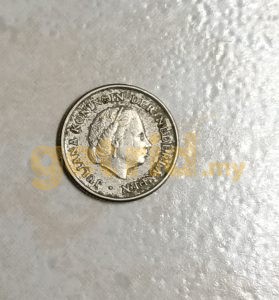
Why people sell used jewelry online
Most sellers are not clearing out a full jewelry collection. They are moving a few pieces they no longer use, inherited items that are not their style, or accessories that have been sitting unused for years. Selling online gives those pieces a second life while helping you free up space and recover some value.
It also opens your item to a much wider audience than a local yard sale or one off conversation with a friend. Costume jewelry, vintage brooches, silver chains, gemstone rings, and branded pieces can all attract interest if the listing is easy to find and easy to trust.
There is one catch: jewelry value varies a lot. A gold necklace is priced differently from a fashion necklace, and a vintage signed piece is different again. That is why details matter so much when you create your listing.

What to check before you list jewelry
Before you post anything, spend a few minutes figuring out exactly what you have. You do not need to be an appraiser to write a strong listing, but you do need to be accurate.
Start with the basics. Look for stamps or markings such as 10K, 14K, 18K, 925, sterling, platinum, or a brand signature. Check clasps, inner ring bands, backs of pendants, and earring posts. If there is no marking, do not guess. It is better to write “unmarked metal” than claim it is sterling or gold without proof.
Next, look at the condition in bright light. Check for scratches, dents, missing stones, loose clasps, tarnish, stretched links, bent posts, or signs of repair. Buyers usually do not mind normal wear if you state it clearly. They do mind surprises.
If you still have the original box, receipt, certificate, or packaging, mention it. These extras can help with buyer confidence, especially for branded or higher value (mahal) pieces.
Clean it, but do not overdo it
Jewelry usually sells better when it looks presentable, but cleaning should be careful and basic. A soft cloth is enough for many pieces. Mild soap and water may help some items, but not all stones and metals react the same way. Pearls, opals, glued settings, and older costume pieces can be damaged by harsh cleaners or soaking.
If you are not sure, skip deep cleaning. Buyers would rather see an item in honest used condition than receive something damaged by aggressive polishing. Your goal is to remove dust and fingerprints, not make an old item look factory new.

How to photograph used jewelry so buyers trust the listing
Photos do a lot of the selling work for you. Since buyers cannot hold the item, your images need to show scale, condition, and detail without confusion.
Use natural light if possible. Place the item on a plain background that does not distract from the piece. White, gray, black, or light wood usually works well. Avoid heavy filters, dark shadows, or cluttered backgrounds.
Take several angles. Show the front, back, side, clasp, stamp or hallmark, and any wear spots. If there is a flaw, include a close-up. That does not hurt your chances kinda helps a lot & it helps build trust.
Scale matters too. A ring can look much larger in a close-up than it really is. Include measurements in your listing and, if useful, photograph the piece next to a coin, ruler, or measuring tape. For necklaces and bracelets, include total length. For rings, include ring size. For earrings, give drop length or diameter.

Write a listing that helps people search and decide
A good jewelry listing is simple, specific, and easy to scan. Avoid vague titles like “nice necklace” or “beautiful ring.” Buyers search by item type, material, style, brand, and sometimes era.
A stronger title might say “Vintage 996 gold Chain Necklace 18 Inch” or “Gold Tone Costume Brooch with Red Stones.” That kind of wording helps your ad appear in relevant searches and tells buyers what they are clicking on.
In the description, cover the facts first. State the type of jewelry, metal or material if known, brand if marked, measurements, color, closure type, stone details if known, and condition. If something is unknown, say so plainly.
Keep your wording direct. For example, you can write that the bracelet is marked 925, measures 7.5 inches, has light surface wear, and closes securely. That gives a buyer something useful to work with. Overstating quality or using too much sales language can make a listing feel less trustworthy.

How to price when you sell used jewelry online
Pricing is where many sellers hesitate. Set it too high and your listing sits. Set it too low and you leave money on the table.
Start by comparing similar sold or listed items in the same category, material, and condition. A sterling silver pendant from a known brand should not be compared with an unmarked fashion piece. Vintage costume jewelry also varies a lot depending on design, maker, and demand.
Think in terms of realistic secondhand value, not original retail price or sentimental value. A gift that cost a lot years ago may still have modest resale demand today. On the other hand, a small signed vintage piece might do better than expected because collectors are searching for it.
If your platform supports offers or bidding, that can help when you are not fully sure of the market. It gives buyers room to engage while still letting you stay in control. GetRid is built for that kind of practical back-and-forth, especially when you are clearing space and want the right buyer to find the item.
For lower value pieces, price to move. A fast, fair sale is often better than holding out for a perfect number on items that have been sitting unused for years.

When material value matters most
Some jewelry is bought for style (gaya maya/tayang). Other pieces are bought mainly for metal value (like after that want to sell to besi buruk lah). That difference affects how you list them so jaga jaga how you write lah.
If you are selling gold ka, bronze ka, silver ka, or platinum jewelry, include the weight if you can measure it accurately. Buyers in that category often care about purity marks and gram weight (buyer spend money they picky lah). If gemstones are included, only identify them as natural, lab created (pasar malam barang), or tested if you actually know. If not, use wording like “stone type unknown” (or ah meng said ori one) rather than making a risky claim.
For costume or fashion jewelry, focus more on style, color, brand, era, and condition, is like tayang big time but tell the truth lah. These buyers often care about wearability and design more than raw material value.

Safety and common buyer questions
When you sell used jewelry online, clear communication, basiccly dun try goreng the buyer lah, they also not bodoh ma!, It really matters because jewelry can attract both serious buyers and low effort messages (discount king). You can save time by answering common questions in the listing before they are asked.
Buyers often want to know whether the item is real gold or silver, whether stones are genuine, whether there is any damage, whether the size is exact, and whether more photos are available. If your listing already covers most of that, you reduce friction and improve your chances of a smooth sale.
Be cautious with high value pieces (some ah piau will put high price try luck mah). Keep conversations inside the marketplace when possible, document what you are selling clearly, and avoid pressure from buyers who want to rush the process without asking normal questions. A genuine buyer usually wants details. Someone who is vague, pushy, or inconsistent may not be worth your time.

Small details that help jewelry listings perform better
Refreshing a listing can help if it has gone quiet, especially if you improve the photos or make the title more specific. Choosing the most accurate category also matters. A vintage cameo brooch should not be buried in a general accessories section if there is a better fit.
It also helps to group similar items thoughtfully. If you have several low-value costume pieces, a lot listing may move faster than posting each one alone. For stronger pieces, separate listings usually work better because buyers can search by exact type and style.
Selling jewelry is not only about value. It is also about visibility, trust, and timing. The clearer your listing, the easier it is for the right buyer to say yes.
If you have jewelry sitting unused, posting it is often more practical than letting it stay forgotten in a box. A well-lit photo, an honest description, and a fair price are usually enough to get things moving – and to put that piece into someone else’s hands where it will actually be worn.
The getrid TEAM
Address: Login to view address (Login / Register)