

Classic Car Parts Marketplace Guide
A missing trim piece can stall a project for months. A mislabeled carburetor can waste your budget in a day. That is why a classic car parts marketplace guide like getrid matters, not just for finding parts, but for finding the right parts, at a fair price, from people who actually know what they have.
Classic car parts shopping is different from buying modern replacement parts. Inventory is scattered, condition varies, and two items that look similar can fit entirely different years, trims, or engine setups. Whether you are restoring a driver, chasing period-correct details, or clearing out a garage full of spares, the marketplace approach works best when you know how to search, compare, price, and communicate clearly.

How a classic car parts marketplace like getrid.my works for you
A marketplace gives buyers and sellers a direct way to post, search, request, and negotiate around specific parts. That matters in the classic segment because many items are no longer available through standard retail channels. Instead of relying on one seller’s inventory, you get access to listings from enthusiasts, restorers, collectors, and people finally letting go of long stored barang.
The biggest advantage is variety from different sellers. You may find used original parts, new old stock, reproduction pieces, project grade barang, and even free leftovers from someone finishing a build. The trade off is consistency. Listings can vary widely in detail, pricing, and accuracy, so the platform like getrid.my works best for people who read carefully and ask questions.
For sellers, a marketplace like getrid.my is practical because it turns idle parts into cash or useful space. One person may see a dusty gauge cluster as clutter. Another may have spent six months looking for that exact item. That community overlap is where value shows up. Now days, postings get drowned by social media & with having and owning your own page on getrid.my you can always find the partsb that you are selling and can alwyas take down the post when it’s sold. You have control of which ads come first. You have control.
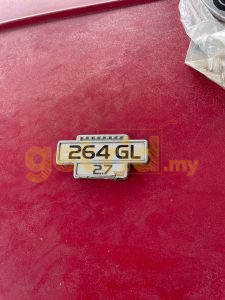
What to check before you buy
The first filter is fitment. Do not rely on a listing title alone. Many classic parts cross over between years or appear identical while using different mounting points, connectors, casting numbers, or finishes. If a seller includes part numbers, date codes, stampings, or measurements, that is a strong sign the listing is worth your time.
Condition comes next, and this is where buyers often overpay. Original does not always mean better. A pitted bumper, seized distributor, or cracked plastic switch may still be useful, but only if the price reflects the work needed. Some buyers want survivor-grade parts with patina. Others want clean pieces ready to install. Neither approach is wrong, but you should know which one you are shopping for before you start comparing listings.
Photos matter more than descriptions for classic parts. Good images show front, back, sides, tags, flaws, and wear areas. If a listing only shows one angle, assume you do not have the full story yet. Ask for close ups of casting numbers, threads, mounting tabs, glass markings, or rust-prone edges. A seller who responds clearly usually makes the deal easier from start to finish.

Search smarter in a classic car parts marketplace guide
Search is rarely one and done. A broad search for “Datsun door handle” may return too much, while a narrow search with one exact year may miss compatible listings. The best approach is to search in layers.
Start with the most specific version of the part you need: make, model, year range, and part name. Then try variations. Sellers may list an item by nickname, factory term, engine family, or body style. A “grille,” “grill,” or “front grille insert” might all refer to the same part. That is normal in peer to peer listings.
It also helps to search by part number when possible. Part numbers cut through vague titles and save time, especially with electrical parts, emblems, interior switches, and engine accessories. If you do not know the number, search by visible markings or dimensions. In classic categories, a measurement can be just as valuable as a model name.
Wanted ads are useful when the part is rare, obscure, or sitting unlisted in someone’s storage. Many enthusiasts keep extras they never think to post until they see someone actively looking. That makes a marketplace more than a catalog – it becomes a way to activate inventory that is still in garages, sheds, and shop corners.

Pricing: fair value is rarely just one number
Classic parts pricing depends on rarity, originality, condition, and urgency. A common used hubcap might have a stable market range. A one-year-only dash trim piece or correct dated wheel may swing widely depending on who needs it and when.
That is why low price alone is not enough. A cheaper part with missing hardware, hidden damage, or poor fit can cost more after repair and shipping than a better listing would have. On the other hand, some sellers price high simply because an item is old. Age adds interest, not automatic value.
Compare similar listings by condition and completeness. A complete assembly with brackets, knobs, lenses, or linkages often saves money over buying a bare unit and sourcing the missing pieces later. If you are buying a core for rebuild, factor in machine work, refinishing, and missing internals before deciding the deal is good.
For sellers, honest pricing tends to move parts faster than hopeful pricing. If you are unsure, use your listing details to justify the number. Mention whether the part is original, tested, rebuilt, date-coded, or hard to find. Buyers in this category will pay for clarity.

Writing better listings if you are selling
A strong listing saves everyone time. Start with the exact part name, fitment range, and known identifiers. Include whether it is OEM, reproduction, new old stock, used, or for parts only. If there is damage, say so plainly. Buyers would rather see “small crack near lower tab” than discover it after arranging pickup.
Photos should do the heavy lifting. Clean the part enough to show what it is, but do not hide flaws with heavy editing or poor angles. Show tags, numbers, connectors, and worn areas. If the item has been tested, explain how. “Bench tested” means more when paired with what was checked.
Price with the audience in mind. A local buyer may jump on a fair deal for a bulky item like a hood, seat frame, or bumper because shipping is a headache. Smaller shippable items have a broader pool, but buyers still compare based on condition and trust. The clearer your listing, the more likely someone will message with real interest instead of vague questions.

Red flags and common mistakes
Most bad marketplace experiences start with assumptions. The buyer assumes fitment. The seller assumes condition. Both assume the photos say enough. In classic car categories, those assumptions get expensive quickly.
Watch for listings with no year range, no measurements, and no visible identifiers. Be cautious if a seller avoids direct answers about cracks, corrosion, or missing pieces. If an item is described as rare but the seller cannot explain what it fits, slow down.
Buyers also make the mistake of chasing perfect parts for every stage of a build. If your car is a driver and you need progress, a usable original piece may make more sense than waiting a year for concours grade inventory. It depends on your goal, budget, and timeline.
Sellers often post too little information and then wonder why the part sits. In a general secondhand category, a short listing can work. In classic parts, details create confidence. Confidence creates messages. Messages create deals.

Community value in the marketplace
A good marketplace is not just a place to buy parts. It helps move hard to use inventory into the hands of people who need it. That might mean selling, trading, bidding, posting a wanted ad, or even giving away extra pieces from a completed project. For a niche like classic cars, that kind of circulation keeps more vehicles on the road and fewer parts buried in storage.
This is also where a community- driven platform like GetRid fits naturally. Enthusiast categories work better when buyers and sellers can search specific listings, post wanted ads, and connect directly around fitment, condition, and fair value. That practical, reuse first setup is often more useful than a polished retail experience, especially when the part you need stopped being easy to find decades ago.

The classic car parts marketplace guide that actually helps
If you remember one thing from this classic car parts marketplace guide, make it this: details beat urgency. Read listings closely, ask for identifiers, compare condition honestly, and write your own listings so someone else can buy with confidence. The right part is not always the cheapest or the rarest. It is the one that fits your car, your plan, and your budget – and helps keep another classic moving instead of sitting unfinished.
The getrid TEAM
Address: Login to view address (Login / Register)