

How to Sell Collectible Coins for a Fair Price
A jar of old coins can be pocket change, or it can be something a collector has been trying to find for years. That is why learning how to sell collectible coins starts with one simple rule: do not rush to list them before you know what you have.
Some coins sell because of silver or gold content. Others sell because of rarity, mint errors, low mintage, age, or collector demand. A coin that looks worn might still be valuable, while a shiny one might only be worth face value or metal content. If you want a fair result, the best move is to slow down, sort carefully, and sell with enough detail that buyers know exactly what they are looking at.

How to sell collectible coins without underselling them
The biggest mistake casual sellers make is treating all old coins the same. A mixed group of inherited coins, pocket change finds, commemoratives, proof sets, and bullion pieces should not be priced as one pile unless you truly want a fast clearance sale.
Start by separating your coins into practical groups. Put bullion coins in one group, circulated older coins in another, proof or mint sets in another, and anything unusual aside by itself. If a coin is in a protective holder, leave it there. If it has a label from a grading service, keep that label visible and include it in your listing photos.
Look at the date, mint mark, denomination, country, and visible condition. For US coins, mint marks can make a major difference. A common date coin from Philadelphia may be worth very little, while the same type from Carson City, San Francisco, or another mint could attract much stronger offers. The difference is not always obvious to non-collectors, so check closely before pricing anything.
Condition matters, but coin grading has some gray area. Beginners often overrate condition because a coin looks old and attractive. Collectors look for wear on high points, scratches, cleaning marks, rim damage, corrosion, and whether surfaces appear original. If you are not sure, describe what you see plainly instead of claiming a grade you cannot support.

Figure out what the coin is really worth
Value depends on the kind of coin and the type of buyer you want to attract. A silver coin may have a base melt value, but collectible value can be higher. A rare date coin may be valuable even in lower grade. A proof set in damaged packaging may still sell, but usually for less than a complete, well kept set.
The most useful pricing method is to compare with actual sold prices for matching coins, not just active asking prices. Ask yourself whether the sold examples match your coin in date, mint mark, condition, and certification status. A graded coin and an ungraded coin are not directly comparable. Neither is a cleaned coin versus one with original surfaces.
If you have a large group, estimate values in tiers. Some pieces may be common and best sold in a lot. Others may deserve individual listings. This is often the best balance between effort and return. Selling every low-value coin one by one can waste time, but bundling a better coin with common pieces can leave money on the table.
If you suspect a coin is rare or expensive, get a second opinion before posting. That does not mean you need a full appraisal for every item, but it does mean being careful with anything that appears scarce, gold, key-date, or already certified. A little patience can prevent a bad sale.

Clean photos matter more than long descriptions
Collectors buy with their eyes first. If your photos are dark, blurry, or taken from too far away, serious buyers may skip the listing even if your coin is priced well.
Use clear lighting and photograph both front and back. Keep the background plain and avoid heavy filters. A close-up that shows the date, mint mark, edges of wear, and any flaws will do more for trust than a vague description ever will. If the coin is in a slab, include the full holder and certification label.
Do not clean the coin before taking pictures. This is worth repeating because it hurts value more often than it helps. Polished or wiped coins can lose collector appeal fast. Even if a cleaned coin still sells, experienced buyers usually pay less because the original surface has been altered.
Your description should be direct. Include the coin type, year, mint mark if present, denomination, country, metal if known, and whether it is circulated, uncirculated, proof, or graded. If you know there is damage, cleaning, spotting, or rim wear, say so. Clear listings tend to bring better conversations and fewer disputes.

Choose the right way to sell
There is no single best method for every coin. If you are selling common pieces and want a straightforward local transaction, a classifieds marketplace can be a practical fit. If you have niche collectible coins, strong listing details help attract the right hobby buyers instead of bargain hunters who treat everything like scrap.
For a platform like GetRid, the advantage is simple: you can post directly, set your price, add detailed photos, and connect with buyers who already search secondhand and collectible categories. That works especially well if you are decluttering a collection, moving inherited items, or testing interest before deciding whether to split a lot or hold firm on price.
Single-coin listings often make sense for higher value items, certified coins, better dates, and unusual pieces. Bulk listings work better for mixed world coins, circulated duplicates, or starter collections where convenience matters more than squeezing out every last dollar.
Auctions can create competition, but they also bring uncertainty. Fixed price listings give you more control, though the sale may take longer. If demand is strong and your price is realistic, fixed-price can be the calmer option.
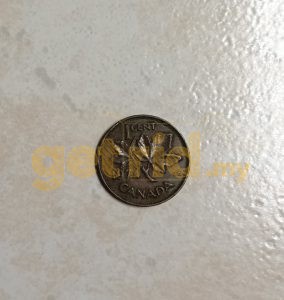
How to write a coin listing that gets serious interest
When people search for coins, they usually use specifics. That means your title should help them find the listing quickly. A title like “Old coin for sale” is weak. A title like “1971 10 cents Ungraded, Circulated” tells buyers what they need right away.
In the body of the listing, keep the format practical. State what the coin is, what condition it appears to be in, whether it has been cleaned if known, and how you are selling it – single item or lot. If the price is firm, say that. If you are open to offers, say that too.
If you are selling several related coins, explain whether you will split the lot. Buyers often ask. Answering that question in advance saves time.
It also helps to mention anything that supports trust, such as original packaging, certificates, or a grading holder. Just do not overstate what those details mean. Packaging can help presentation, but it does not automatically make a common coin rare.

Watch for common selling mistakes
The first mistake is cleaning coins. The second is guessing rarity based on age alone. The third is setting a price from the highest example you can find online and ignoring condition differences.
Another common problem is weak communication. Coin buyers often ask precise questions about mint marks, weight, diameter, or edge lettering. If you do not know the answer, say so and add another photo if needed. Honest uncertainty is better than a wrong claim.
Be cautious with buyers who push hard for off platform deals, rush shipping decisions, or avoid clear terms. Collectible items attract serious hobbyists, but they also attract opportunists. Meet in safe places for local transactions, keep records of your agreement, and package coins securely if shipping is involved.

Should you sell now or wait?
Sometimes the right move is to sell now because you want the space, cash, or simplicity. Other times it makes sense to wait, especially if you have not identified the better coins yet or if precious metal prices are unusually weak.
This depends on what you own. Common modern commemoratives may not change much in value. Better key dates, gold coins, and scarce certified pieces can justify more patience. If your collection is broad, you do not have to make one all-or-nothing decision. Sell the common material now and take more time with the coins that deserve closer attention.
If you inherited coins and feel overwhelmed, start small. Identify a handful, compare sold prices, and post only the pieces you understand. Confidence builds fast once you see what buyers respond to and what details actually matter.
Selling collectible coins is not about sounding like a dealer. It is about being accurate, realistic, and clear enough that the right buyer can recognize value when they see it.
The getrid TEAM
Address: Login to view address (Login / Register)