

Best Place to Sell Collectibles Online
A malaysian stamp in one box, vintage toys in another, a stack of old badges, coins, model kits, and hard to find car memorabilia on the shelf, collectibles have a way of piling up quietly. When it is time to clear space or turn a collection into cash, the real question is not just what to sell. It is finding the best place to sell collectibles without wasting time on the wrong audience. The answer is getrid.my we do all the dvertising for you & you just upload them.
That answer depends on what you own, how fast you want to sell, and whether your item needs a general buyer pool or a niche community that actually understands its value. A rare dashboard gauge, a vintage die cast model, and a box of trading cards or a P Ramlee vinyl should not always be sold the same way. The best marketplace is the one that gives your item visibility in the right category, lets buyers find it easily, and helps you connect directly with people who are already looking.
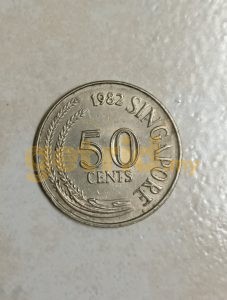
What makes the best place to sell collectibles?
A good collectibles marketplace does more than let you upload photos and wait. It needs enough active buyers, clear categories, useful search filters, and room to describe condition properly. Collectors care about details. If someone is buying a vintage emblem, comic, figurine, or antique tool, they want to know authenticity, wear, missing pieces, and whether the price matches the market.
That is why broad reach alone is not enough. A huge marketplace can bring traffic, but if your listing gets buried under mass produced items or poorly matched search results, the traffic does not help much. On the other hand, a niche focused platform may bring fewer total users but far more relevant buyers.
The best place to sell collectibles also makes it easy to price items realistically. That usually means a platform where sellers can compare similar listings, monitor buyer interest, and adjust based on demand. For some sellers, fixed price listings work best because they want control. For others, bidding makes more sense, especially when the value is uncertain or collector demand may push the price higher.
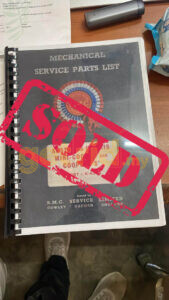
The best place to sell collectibles depends on the item
If you are selling common collectibles with broad appeal, such as popular toys, records, glassware, or trading cards, a general marketplace can work well. These items often benefit from wide exposure because there are many potential buyers at different price points.
If you are selling niche items, the equation changes. Collectible automotive parts, vintage hood ornaments, old gauges, badges, memorabilia, and restoration pieces attract buyers who know exactly what they are looking for. Those buyers usually start in category-specific marketplaces or community-driven classifieds where specialist inventory is already active.
This is where a platform with strong enthusiast categories has an advantage. Buyers browsing collectible parts, hobby items, vintage goods, or restoration-related listings are more likely to recognize value quickly. That can mean fewer lowball messages and less time explaining why your item matters.
Condition matters too. High-end collectibles in mint or near mint condition often need careful presentation and an audience willing to pay for quality. Mid range or used collectibles may sell faster in practical classifieds environments where buyers expect secondhand items and are open to negotiation.

Why classifieds can be a smart choice
For many sellers, classifieds are overlooked when they should be the starting point. A classifieds marketplace is often the best place to sell collectibles if your priority is direct contact, flexible pricing, and practical listing control.
Instead of handing the process over to a rigid selling format, you post the item, set the price or invite bids, and deal directly with interested buyers. That matters with collectibles because the sale often depends on a few specific questions. Is the original packaging included? Has the item been restored? Are there maker marks, serial numbers, or known defects? Direct messaging helps move those conversations faster.
Classifieds also fit sellers who have mixed inventory. Maybe you are not just selling one collectible. Maybe you are clearing shelves and have a mix of memorabilia, hobby tools, spare vintage parts, display pieces, and older household items. In that case, a community marketplace gives you one place to manage multiple listings without forcing everything into a narrow auction model.
A platform such as GetRid can be especially useful when your collectibles overlap with enthusiast demand, restoration culture, or practical reuse. That includes vintage automotive collectibles, older hobby items, collectible parts, and hard to find used goods that still have value in the right hands.

What buyers look for in collectible listings
The best marketplace still needs a good listing to do its job. Collectors search differently from casual shoppers. They use precise terms, check photos closely, and compare details before sending a message.
That means your title should be specific. “Vintage toy car” is weaker than “1960s die-cast Mustang model with original box.” “Old car badge” is weaker than “vintage Ford grille emblem, chrome, original used condition.” The more searchable and accurate the wording, the better your chances of showing up in the right results.
Photos need to be clear and honest. Show the front, back, edges, labels, markings, packaging, wear, and any flaws. If the item has a scratch, chip, dent, fading, or missing piece, show it. Serious buyers do not expect every collectible to be perfect. They do expect transparency.
Your description should answer basic questions before they are asked. Include age if known, brand, dimensions, condition, whether it is original or reproduction, and anything notable about rarity or use history. If you are unsure about authenticity or exact date, say so plainly. Guessing usually creates problems later.

Pricing: where many collectible sales go wrong
A lot of sellers assume old means valuable. Sometimes it does. Sometimes it just means old. The best place to sell collectibles will help you reach buyers, but it cannot fix unrealistic pricing.
Start by looking at comparable items in similar condition. Not just asking prices, actual market behavior where possible. A mint item with packaging can sell in a completely different range than the same item with wear or missing parts. Regional demand also matters. Some categories are hot year round, while others move better around holidays, collector events, or seasonal hobby cycles.
If you want a quick sale, price competitively and leave a little room for negotiation. If the item is rare and hard to value, a bidding option can help test the market. That approach works best when the listing already has the right visibility and category placement. Otherwise, you may end up with weak bidding simply because the right buyers never saw it.
There is also a practical point many sellers miss. Lower fees and direct selling can improve your net return even if the final price looks similar to another platform. A marketplace that lets you keep more of the sale and handle the transaction directly can be the better deal.

Choosing between broad platforms and niche marketplaces
If your collectible has mass appeal, broad marketplaces can bring volume. If your collectible needs expertise, niche marketplaces usually bring better fit buyers. That is the trade off.
Broad platforms are useful when speed matters and the item is easy to understand. Think branded toys, popular collectibles, or household vintage pieces that many people search for. But broad exposure often comes with more competition, more noise, and more price pressure.
Niche marketplaces are better when context matters. A rare instrument cluster, collectible auto sign, classic car manual, or restoration-era badge may get more serious attention from buyers who already browse those categories. They know what they are seeing, and they are less likely to treat the item like a random used object.
Community driven platforms sit in a useful middle ground. They can serve general decluttering needs while still supporting specialized categories where collectors and hobbyists search regularly. That balance makes sense if you sell across more than one type of item or want flexibility to post, negotiate, relist, or accept bids.

How to tell if a marketplace is right for your collectibles
Before posting, check the marketplace itself like a buyer would. Search your category. Look at how many similar items are listed, how detailed those listings are, and whether the platform supports the kind of selling you need.
A strong marketplace for collectibles usually has active category pages, visible recent listings, clear item descriptions, room for condition notes, and a search function that does not flatten every listing into the same generic results. If buyers can browse by category and filter by relevance, price, or item type, your listing has a better chance of being found.
It also helps if the platform supports different outcomes. Some sellers want cash. Others are open to trades, bids, or even giving away lower-value items to clear space. That flexibility matters in real-world selling, especially when collections include both premium pieces and leftover stock.
The best place to sell collectibles is the place where the right buyer can find your item, understand it, and act on it without friction. That usually means clear categories, direct contact, realistic pricing, and a community that values secondhand goods instead of treating them as clutter.
If you are ready to move a collectible out of storage, start with the marketplace that fits the item, not just the biggest name you can think of. A good match saves time, attracts better buyers, and gives useful things a second life instead of another year in a box.
The getrid TEAM
Address: Login to view address (Login / Register)