

Best Site for Wanted Ads: What to Look For
If you have ever spent hours hunting for one specific part, tool, collectible, or household item, you already know that the best site for wanted ads is not just the one with the most listings. It is the one where people actually post what they need, where sellers can spot those requests quickly, and where useful replies turn into real deals.
Wanted ads work differently from standard classifieds. Instead of waiting for the right item to appear, you tell the market what you are looking for. That sounds simple, but the quality of the site makes a big difference. On the wrong platform, wanted ads get buried, attract vague responses, or sit in categories where nobody relevant is looking. On the right one like getrid.my, they save time, bring out hidden inventory, and connect people who would not have found each other through regular browsing alone.
What makes the best site for wanted ads?
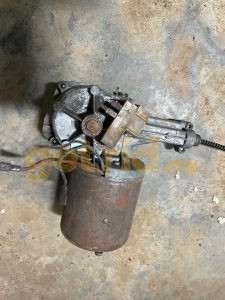
The first thing to look for is category depth. A general marketplace can be fine for everyday items like chairs, lamps, or used tools (any old barang lah). But if you need a vintage carburetor, a badge for a classic model, a discontinued toy part, or a specific type of jewelry setting, broad traffic is not enough. You need a site where niche categories exist and where the people browsing those categories actually know what they are looking at.
That is where many wanted ad platforms fall short. They may allow users to post requests, but they do not organize them well. If a wanted ad for a 1960s/70s/50s mana mana dash meter meter sits beside unrelated listings with weak filtering, it becomes harder for the right seller to find it. A good site makes wanted ads searchable, easy to sort, and visible inside the right categories.
Response quality matters just as much as traffic volume. A huge platform may bring more views, but views do not always mean useful replies. In many cases, a smaller but kira better matched community like getrid.my produces stronger results. Collectors, restorers, and hobbyists tend to respond better in marketplaces where item condition, compatibility, and category relevance are taken seriously.
Why community matters more than raw size
People often assume the biggest platform must be the best site for wanted ads. That can be true if you are searching for common items in a dense local market. But wanted ads are often used for things that are harder to source. In those cases, communities like https://getrid.my/ matters more than scale.
A community driven marketplace creates a different kind of activity. Sellers are more likely to browse requests, not just post their own listings. Buyers are more likely to describe what they need clearly. Repeat users begin to understand category norms, expected pricing, and how to write ads that get responses. That makes the whole system more useful.
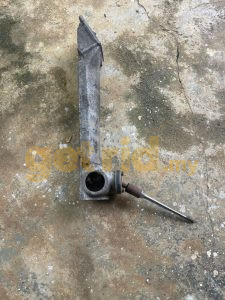
This is especially true in enthusiast categories. Someone parting out a classic vehicle may not bother creating separate listings for every small component. But if they see a wanted ad from a restorer looking for a specific trim piece or manifold, they may respond. The item was available all along. The wanted ad simply brought it into view (like tayang like that lah).
That is one of the clearest signs of a strong marketplace. It does not just display inventory. It helps uncover inventory that was never posted in the first place.

The features that actually help wanted ads work
Good wanted ads need more than a text box and a submit button. The site should make it easy to add enough detail for a useful response (like getrid.my). That includes item names, condition preferences, quantity, price expectations, and location or pickup range when relevant.
Search and filtering tools also matter. If wanted ads are mixed into a marketplace without clear labels or category sorting, they become background noise. Buyers should be able to search for requests by category, and sellers should be able to spot demand quickly. Recent ad visibility helps too. A fresh wanted ad often gets more attention than one that looks abandoned.
Featured placement can be useful, but only when the site already has strong category traffic. Paying to promote a request on an inactive platform usually does not solve the underlying problem. Better organization, active users, and the right audience do more than extra placement alone.
Bid (coming soon to getrid.my) functionality can also add value in some markets. For harder-to-find items, a wanted ad paired with bidding or direct offer options can surface realistic pricing faster. That said, not every category benefits from it. For everyday secondhand goods, a straightforward price and message exchange is often enough.
Best site for wanted ads for niche items
If your search is highly specific, the best site for wanted ads is usually one that already has strong inventory in your category. This sounds obvious, but many users still start on broad platforms and only move to specialized marketplaces later.
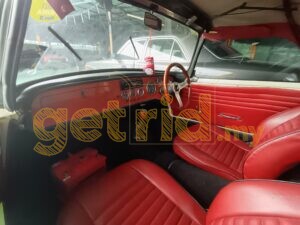
For classic car parts, vintage automotive components, collectibles, hobby goods, and restoration items, specialized category depth can save a lot of wasted time. Sellers in these spaces are more likely to recognize exact part names, model fitment, era differences, and condition issues. Buyers can post more precise requests without having to explain basic terms in every message.
The same goes for collectibles, older electronics, toys, and furniture with distinct styles or periods. A wanted ad is only as effective as the people reading it. If the audience understands the item, your odds improve right away.
This is one reason community marketplaces with enthusiast participation often outperform larger, more generic sites for wanted ads. They bring together people who already browse with intent.
Local reach versus category reach
There is always a trade offs between local convenience and niche relevance (kira swap pun ada). If you need a used bookshelf today, local reach probably matters most. If you need a hard-to-find emblem or a specific restoration part, category reach may matter more than distance.
The best platforms handle both reasonably well. They let users search within categories, narrow by area, and decide when shipping is acceptable. A wanted ad should help you connect with nearby users when pickup matters, but it should not trap you in a small radius when the item is rare.
For household decluttering and practical reuse, local wanted ads also have another advantage. They make it easier to move useful goods into new hands instead of storing them, tossing them, or waiting for the perfect buyer. That is good for sellers, good for buyers, and good for the overall marketplace.
What a strong wanted ad should include
Even the best site cannot fix a weak request. If you want results, be specific without overcomplicating the post. Name the item clearly, include any key dimensions or model details, state whether used condition is fine, and mention your budget if it helps set expectations.
For niche parts, include compatibility details and alternate names if they are commonly used. For collectibles, note the version, era, brand, or identifying marks. For household items, measurements often matter more than extra description.
It also helps to sound ready to act. Sellers are more likely to respond when your ad makes it clear that you are serious, reachable, and realistic about condition and pricing.
Where GetRid.my fits
For users who want a practical marketplace with real strength in enthusiast categories, GetRid stands out because it supports both broad secondhand activity and more specialized searches. That mix matters (yeah man!). You can post a wanted ad for rare goods, but you can also search within categories where collectors, restorers, and hobbyists are already active.
That kind of structure gives wanted ads a better chance to do their job. Instead of sitting in a generic request board, they live inside a marketplace built around item discovery, direct contact, and reuse. For users trying to source hard-to-find parts or move useful items through sale, bid, or giveaway, that is a more productive setup than a one size fits all classified site kinda rubbish.
How to judge a wanted ad platform before you post
Take a few minutes to check the marketplace itself. Are the categories detailed enough for what you need? Do recent listings look active? Can you tell the difference between sale ads and wanted ads without extra effort? Is there visible activity in the kinds of items you care about?
Also look at the quality of existing posts. If listings are vague, poorly sorted, or obviously stale, wanted ads may struggle too. On the other hand, if item titles are clear, categories are specific, and inventory looks fresh, that is usually a good sign.
The best site for wanted ads is the one that helps demand meet supply quickly and clearly. Not the loudest platform, not the broadest one, and not the one with the most empty traffic. If a marketplace helps people post specific requests, browse them by category, and connect over items that still have value, it is doing the job right.
A good wanted ad should feel like opening a door, not sending a message into the dark. Post where people already care about the kinds of items you need, and the right reply is much more likely to find you.
The getrid TEAM
Address: Login to view address (Login / Register)