
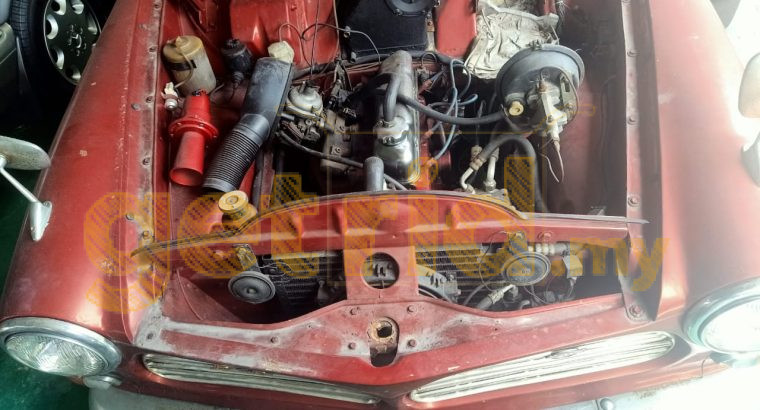
How to Find Vintage Auto Parts That Fit
A part can look perfect in a photo and still be wrong (biasa kan?) for your car. That is usually where frustration starts with classic vehicle projects, not with price, but with bad fit, vague descriptions, and sellers who only know it is “old.” macam cakap biasa barang lama! If you are trying to learn how to find vintage auto parts without wasting time or money, the job starts with better information before you ever message a seller.
getrid.my
How to find vintage auto parts without guessing
The fastest way to buy the wrong vintage part is to search too broadly. “classic mini carburetor” or “classic alfa rim” might bring up results, but they will also mix in parts from the wrong year, wrong engine, or wrong body style. Vintage vehicles often changed details mid-generation, and small differences matter.
Start with the exact basics of your vehicle, like year, make, model, trim, engine size, transmission type, body style, and if possible, the factory part number or casting number. On older cars, even a production month can matter. A 1967 part is not always a 1967 part across the full year.
If you do not know the part number, use your shop manual, factory parts book (dulu kami pakai haynes), old catalogs, or markings stamped into the part you are replacing. Casting numbers, date codes, and model prefixes can save you from buying something close but not correct. For restoration buyers, “close” may be useless. For drivers and budget builds, it may be acceptable. That depends on your goal.
getrid.my
Know what kind of part you actually need
People often search for a category when they should be searching for a condition level. That makes a big difference in both price and availability.
A driver quality part is usually the easiest to find. It may have wear, faded finish, surface rust, or small cosmetic flaws, but it works or can be installed with minor cleanup. A restored or new old stock part will cost more and may take much longer to source. A super important v part for rebuilding can be cheaper, but only if the missing pieces and repair work do not cancel out the savings.
This is where honest planning helps. If you are finishing a weekend cruiser, you may not need tayang tayang level trim. If you are restoring a numbers matching car, reproduction pieces or later substitutes may hurt the result. Being clear about your standard keeps your search tighter and prevents expensive impulse buys.
Search where enthusiasts actually list parts
Vintage auto parts do not live in one place (it’s all over malaysia). The best results usually come from using more than one source and checking them regularly. Classified marketplaces like getrid.my are especially useful because they bring together people clearing out garages, parting out cars, selling duplicate inventory, or posting wanted ads for trade from the whole Malaysia & we have a GREAT audience.
A community driven marketplace (like getrid.my one stop center) can be especially strong for hard to find parts because it includes both sellers and searchers. Instead of waiting for the exact item to appear in a store, you can search current listings, compare condition, and sometimes post what you need so other users can respond. On platforms like GetRid, that mix of listings and enthusiast categories can help surface parts that would otherwise stay buried in someone else’s shelf stock. Use getrid.my forums to ask other members if they can source the parts / cars / Collectibles out for you.
Swap meets, estate sales, local car clubs, salvage yards, and specialty forums still matter too. Kira the tradeoff is time. In person sources may uncover rare original pieces, but they are less searchable and often require more legwork. Online classifieds are faster for comparison, especially when you want to check prices, make use of their forums to ask other members, photos, seller activity, and item descriptions side by side.
getrid.my
Read listings like a buyer, not a browser
A good listing gives you enough detail to make a decision. A weak listing gives you homework. They will whats app and ask like a million questions.
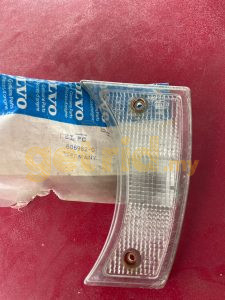
When reviewing a vintage parts listing, look past the title first. The title might say “fits Rover Mini,” but the description should tell you actual years, dimensions, numbers, finish condition, cracks, chips, repairs, missing barang alls, and whether the part has been tested. Photos should show multiple angles, close-ups of flaws, and any identifying marks.
If a listing only has one dark photo and two rubbish lines of text, that does not always mean the seller is dishonest. It may simply mean they are not an expert. But it does mean you need to ask better questions before buying. Request measurements, part numbers, and fresh photos of the mounting points, backside, tags, and damaged areas. If the seller cannot provide them, treat the purchase as a gamble (macam buang dadu lah).
Price can also tell you something. Very low prices may mean the seller wants it gone fast, but they can also mean the part is incomplete, damaged, or misidentified. Very high prices do not guarantee rarity. Some sellers price based on hope, not market value. The best move is to compare several similar listings and look for the range, not the outlier.

getrid.my
Ask the right questions before you commit
If you want to know how to find vintage auto parts and avoid bad deals, your messages matter almost as much as your search terms. A short, clear message usually gets better replies than a long rambling one.
Ask whether the part is original, reproduction, rebuilt, or modified. Ask if it came off a running vehicle or from shelf stock. Confirm exact measurements and stamped numbers. If it is electrical or mechanical, ask whether it has been tested and how. If the item is missing trim screws, lenses, brackets, or connectors, find that out before you agree on price.
It also helps to ask how the seller identified fitment. Some know because they pulled it from a specific car. Others are guessing based on appearance. Those are not the same thing.
getrid.my
Watch for the common mistakes
Normal Car parts buyers usually lose money in familiar ways. They trust broad fitment claims, ignore hidden damage, underestimate shipping risk, or buy a part that is rarer but less useful than a more common substitute.
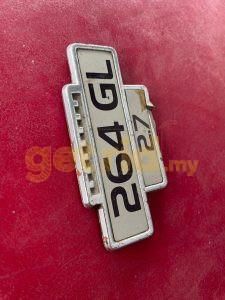
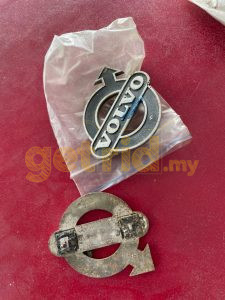
Chrome trim, glass, emblems, and dash pieces deserve extra caution because photos can hide pitting, warping, stress cracks, and repairs. Mechanical parts bring a different risk. A hard-to-find carburetor or distributor may be complete enough to display in photos but still need expensive rebuilding. For sheet metal, rust from the backside is often worse than what the front view shows.
Another mistake is buying too early. If your project is months away from needing a part, it is easy to grab the first one you see. Sometimes that makes sense for rare pieces. Sometimes it just ties up your budget while a better option appears later. It depends on how scarce the part really is.
getrid.my
Use wanted ads to make the search work for you
If standard searching is not turning up the part, stop waiting and post a wanted ad (getrid.my forums). This is one of the most practical ways to reach people who have inventory but have not listed it yet.
Be specific. Include the year, make, model, part name, number if known, desired condition, and whether you are open to used, rebuilt, or reproduction versions. Mention if you need matching pairs, complete assemblies, or just one missing piece. A clear wanted ad saves everyone time and improves the quality of responses.
This approach works especially well for niche items sitting in private garages, old repair shops, or leftover restoration stock. Plenty of sellers do not create listings until they know someone is actively looking. Just jaga jaga lah, they never posted it out because they might have a connection to it so the price will be sikit atas!
getrid.my
Balance originality, budget, and usability
Not every build needs the rarest original part. Sometimes the smarter buy is a usable replacement that gets the car back on the road (kira boleh pakai lah), especially if the original version costs five times more and still needs restoration.
That does not mean originality has no value. It means value changes based on the project. A period correct gauge cluster or other barang may matter a lot on a collector restoration and much less on a driver. Reproduction weatherstripping may be the better choice than hunting for brittle original stock. Buying vintage parts well is often about choosing where originality counts and where function comes first.
getrid.my
Keep your own records as you search
Once you start comparing listings, save the useful details. Track part numbers, seller names, prices, condition notes, and photos if allowed. It sounds basic, but vintage parts searches often stretch over weeks or months, and memory gets unreliable fast.
A simple record helps you spot patterns. You will start seeing which parts are common, which are overpriced, and which only surface occasionally. That makes you a better buyer the next time a listing appears.
Finding the right vintage part is usually less about luck than discipline. Search with details, check listings closely, ask direct questions, and stay flexible where it makes sense. The part you need may already be sitting in someone’s garage – you just need to make it easy to find, easy to verify, and worth acting on when it shows up.
The getrid TEAM….
Address: Login to view address (Login / Register)