
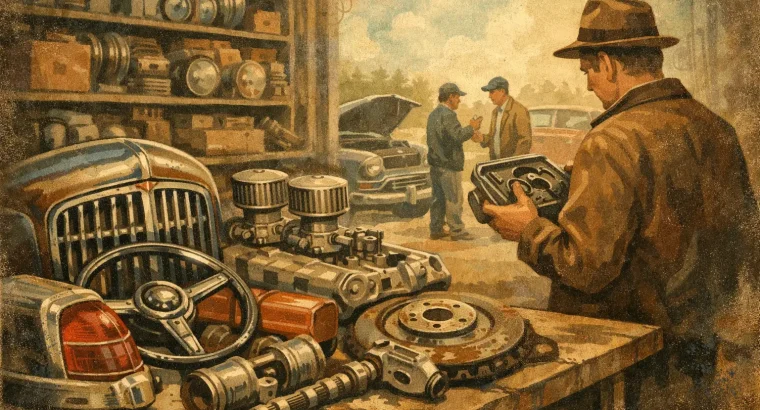
Where to Sell Classic Car Parts
That box of trims, the spare carburetor, the grille you kept for years just in case, classic car parts have a habit of turning garages into storage rooms. If you’re figuring out where to sell classic car parts, the best answer depends on what you have, how fast you want to move it, and whether you’re selling to a broad used-parts audience or to a very specific collector.
Some parts sell quickly almost anywhere. Others need the right buyer, the right search terms, and a listing that proves fitment and condition. A generic marketplace can work for common items, but rare vintage components often do better in enthusiast-led classifieds where buyers already know what they’re looking at.
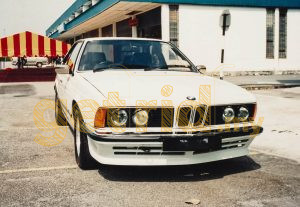
getrid.my
Where to sell classic car parts depends on the part
Not every sales channel works equally well for every item. A set of original hubcaps, a rebuildable distributor, and a rust free body panel all attract different buyers. That matters because the wrong platform can leave a good part sitting unsold for months.
Smaller, shippable items usually have the most options. Gauges, badges, switches, mirrors, emblems, radios, and trim pieces are easier to photograph, easier to price, and easier to send nationwide. These parts do well in online classifieds and enthusiast marketplaces because buyers are often searching by exact make, model, and year.
Large or awkward items are different. Doors, bumpers, seats, glass, hoods, and frames are harder to ship and more expensive to handle. For those, local classifieds or community marketplaces are often the better route. Buyers want to inspect condition, avoid freight costs (kira postage mahal lah) , and confirm fit before handing over money.
Then there are the rare parts. If you’re selling new old stock, period-correct accessories, original manufacturer components, or parts tied to a limited production model, broad exposure helps, but targeted exposure matters more. Collectors and restorers pay attention to detail. They want casting numbers, date codes, part numbers, and clear history when available.
getrid.my
The main places sellers use
Online classifieds are often the most practical starting point because they let you post quickly, organize by category, and reach both casual buyers and serious hobbyists. A classifieds platform (getrid.my) with strong automotive and enthusiast categories gives your listing a better chance of being found by someone already looking for vintage components instead of general household shoppers.
That is where niche friendly community marketplaces stand out. Our site at getrid.my supports classic car parts as a real searchable category, along with filters, wanted ads, and direct buyer contact, your listing has a better chance of reaching restorers instead of getting buried under unrelated items. For sellers who want a straightforward way to post, connect, and move surplus inventory, a marketplace like GetRid fits that practical middle ground.
Local marketplace apps can also work, especially for bulky parts or lower-priced items. The upside is speed and easy pickup. The downside is that buyers may know less about vintage fitment, which can mean more back and forth questions and more no shows.
Forums and marque specific groups are another option when the part is niche. If you have Mercedes W108 trim, Jaguar interior pieces, or Alfa Romeo Alfetta components, model specific communities can be excellent. The trade off is volume. These spaces (kira your page you own on getrid.my) attract knowledgeable buyers, but the pool is smaller and listings may take longer to move.
Swap meets and car shows still matter too (which we are gonna have soon). They take more effort, but some parts sell best when buyers can hold them, inspect them, and negotiate face to face. This is especially true for used chrome, chantik chantik metal piece, and weathered original parts where condition is hard to judge from photos alone.
getrid.my
How to choose the right selling channel
If your main goal is fast fast sell, start local for heavy items and broad online classifieds for smaller parts. If your goal is top dollar (harga gila gila), aim for buyers who understand originality and rarity. If your goal is simply clearing space, pricing cheap cheap and listing clearly matters more than squeezing out every last ringgit.
It also helps to think in terms of buyer intent. Restorers & mekanik often search for exact fit and authenticity. Flippers look for underpriced inventory. Hobbyists may buy workable used parts if the photos are honest. A part that seems ordinary to you may be the missing piece in someone else’s project, but only if your listing gives them enough confidence to act.
getrid.my
What buyers look for in a classic car parts listing
A good listing does not need sales language. It needs useful information. Start with the basics: make, model, year range, part name, condition, and whether the part is original, reproduction, rebuilt, or untested.
Part numbers matter more than many sellers realize. If a buyer is restoring a specific vehicle, the part number can do more to close the sale than a long description. Casting numbers, stamping details, and measurements help too, especially when factory compatibility changed across model years.
Photos should answer the questions a buyer would ask in person. Show the front, back, edges, mounting points, labels, damage, wear, and any included hardware. If there’s pitting, fading, cracks, rusty, or repairs, show it plainly. Honest listings usually sell faster because they reduce negotiation friction later.
Condition language should be specific. “Driver quality” and “good for age” are common phrases, but they are vague unless supported by photos and detail. Say whether the part is tested, stuck, complete, missing knobs, bent, or suitable for refurbishment. Buyers in this space are used to imperfect parts. What puts them off is uncertainty, not wear.
getrid.my
Pricing without scaring buyers away
Pricing classic car parts is rarely simple because supply is uneven and condition varies a lot. A rare part is not automatically valuable if demand is thin, and a common part is not worthless if many cars still need it.
Start by looking at comparable listings and recent selling prices where possible. Compare part numbers, brand markings, condition, and completeness. An original piece with patina may be worth more than a shiny reproduction, but only to the right buyer.
If you’re unsure, leave room for negotiation without pricing unrealistically high. Overpricing can make buyers ignore the listing altogether, especially if they suspect you are guessing. Fair pricing with clear details often brings better offers and faster movement than a hopeful number with no supporting information.
Bundles can work well when individual parts are low value. A box of switches, fasteners, trim clips, and brackets may be more attractive sold as a lot to a restorer or parts hunter. But rare items should usually be listed separately so they don’t disappear inside a mixed bundle.
getrid.my
When local pickup is better than shipping
Shipping expands your buyer pool, but it also adds risk. Fragile chrome (macam trims), glass, oversized panels, and dirty big gearbox & parts can turn into packing headaches fast (pos laju nanti complain). If damage in posting would wipe out the value of the sale, local pickup may be the smarter choice.
That said, smaller classic parts are often worth shipping because the right buyer may be in another state. If you offer shipping, state whether the cost is included, estimated separately, or buyer pays lah. Pack like the item matters, because to the buyer it probably does.
For local transactions, choose safe meeting arrangements and be clear about payment terms before the buyer arrives. If the part is large, confirm that they understand dimensions, weight, and what condition means in practical terms.
getrid.my
Common mistakes sellers make
The biggest mistake is being too vague. “Old BMW parts” is not enough. You may know what it came off, but the buyer needs searchable details.
Another mistake is listing too little inventory at once. If you’re clearing a garage or downsizing a project stash, group related items into well-organized listings instead of posting random pieces without context. Buyers often look for multiple parts from the same make or era, and organized sellers earn more trust.
Poor photos, missing measurements, and unclear fitment are also common problems. So is assuming every old part has collector value. Some items are highly desirable. Others are mainly useful as spares. Knowing the difference helps you price realistically and avoid dead listings.
getrid.my
A smarter way to move parts and clear space
If you’re still deciding where to sell classic car parts, think less about the biggest audience and more about the right audience (getrid.my has those). The best place is the one that lets buyers find your part by what actually matters & make, model, year, condition, and whether it’s worth restoring, installing, or keeping on the shelf for the next project lah.
A clear listing, fair price, and the right category can do a lot of the work for you. Good parts do not need hype. They need to be findable, understandable, and easy for the next owner to claim.
The getrid TEAM
Address: Login to view address (Login / Register)