
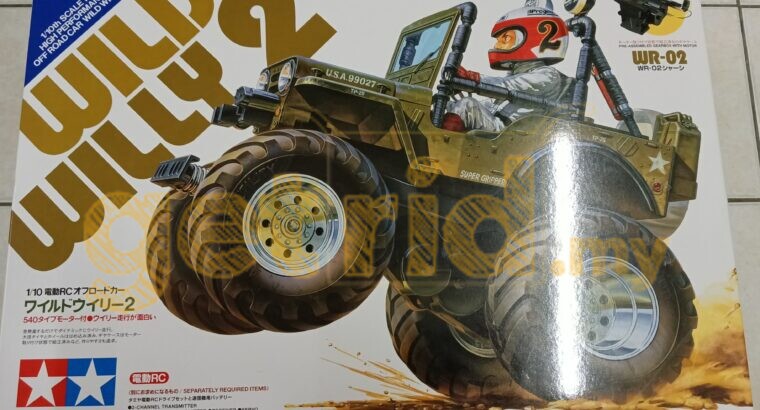
Where to Sell Vintage Toys for the Best Return
A box of old toys can be worth anything from a quick RM10.00 sale to a serious tambah nasi collector payout. The difference usually comes down to knowing where to sell vintage toys, how to price them, and which buyers are actually looking for what you have.
If you’re clearing the store, settling an space, or thinning out a collection, the best place to sell is not always the biggest marketplace. Some toys move fast locally. Others need patient exposure to collectors who care about packaging, production year, and small details like paint variation or missing accessories. A good sale starts with matching the item to the right audience.
Where to sell vintage toys depends on what you have
Not every vintage toy should be sold the same way. A loose action figure with wear is different from a boxed die-cast car, and both are different from a rare playset with original inserts. Before you post anything, sort your toys into a few practical groups.
Lower value items usually do best in local classifieds, bundle listings, or mixed lots. These are toys that have visible wear, incomplete sets, or broad appeal without much rarity. Mid range collectibles often sell well on online marketplaces where buyers search by brand, year, and condition. Higher end pieces, especially rare items in strong condition, may deserve more targeted collector exposure and a slower selling process.
This is where many sellers leave money on the table. They either underprice a rare item in a garage sale style listing or overprice common toys and let them sit for months. A quick review of sold prices, not just active listings, helps set expectations.
Best places to sell vintage toys
Local classifieds for easy, direct sales
If your main goal is to declutter and move items quickly, local classifieds are often the most practical option. They work especially well for toy lots, larger items, lower price collectibles, and pieces that are expensive to ship. Buyers nearby can inspect the condition, ask questions, and pick up in person.
This route is also useful if you have mixed categories, like vintage toys alongside games, hobby items, or collectibles from the same household. A community marketplace can attract casual buyers, resellers, and serious collectors at the same time. That mix matters because not every vintage toy needs a specialist buyer to sell.
A platform like GetRid fits well when you want a straightforward listing process, direct contact with buyers, and a category driven audience already used to hunting for secondhand and collectible items. If your toys are practical to post locally and you want to avoid shipping hassles, this can be the simplest path from storage box to sold.
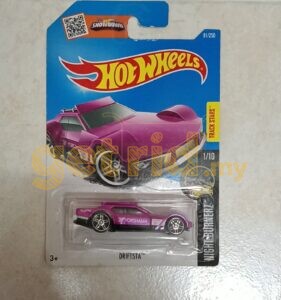
Collector marketplaces for stronger niche demand
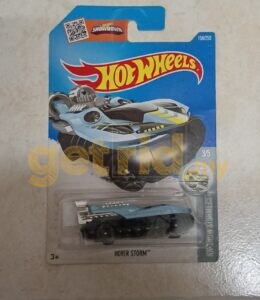
Some toys need a more targeted crowd. Vintage Star Wars figures, Hot Wheels redlines, G.I. Joe vehicles, early Transformers, tin toys, and branded character items often get better attention in marketplaces where collectors search using exact terms. These buyers may care about factory marks, accessory completeness, release versions, and original packaging.
The trade-off is speed. Collector focused platforms can bring better prices, but they usually require better photos, clearer descriptions, and more patience. Buyers will ask more detailed questions, and they should. When a buyer is paying a premium, they want confidence in authenticity and condition.
If you’re selling one standout item rather than a mixed box, this route often makes more sense than a general local listing.
Auction-style selling for uncertain value
Auctions can work well when demand is strong but pricing is hard to pin down. Rare toys, oddball promotional items, or pieces with active collector interest sometimes perform better when buyers compete. This is especially true if there are enough people searching for that exact item and the listing presents it clearly.
Still, auctions are not automatically the best answer. If interest is thin, the final sale can disappoint. A fixed price with room for offers gives you more control. Auctions are strongest when the item is genuinely desirable and easy for collectors to recognize.
Toy dealers and antique buyers for speed over margin
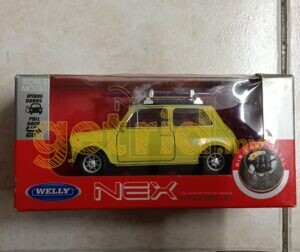
If convenience matters more than maximizing value, selling to a dealer can save time. Dealers know their market, buy in volume, and can take entire groups of toys at once. Estate sellers often choose this route because it reduces effort.
The downside is predictable. Dealers need room for resale profit, so the offer will usually come in below what a patient direct sale could achieve. For common toys or big unsorted lots, that may still be a fair trade. For rare pieces, get at least a rough market check before accepting an offer.
How to choose the right selling channel
The best answer to where to sell vintage toys comes down to four thing: value, condition, quantity, and effort.
If you have a few lower cost items and want them gone fast, local classifieds are hard to beat. If you have ten boxes of mixed toys from the 1970s through the 1990s, it may be smarter to separate obvious collector pieces from the rest and sell in layers. If you have one rare item in original packaging, slow down and list it where detailed buyers will see it.
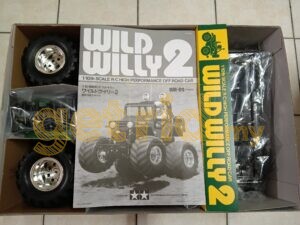
Shipping is another factor people underestimate. Loose toy cars or action figures are easy enough to mail. Large playsets, dolls with fragile packaging, and battery operated toys can become expensive and risky to ship. In those cases, local pickup may protect both your time and the item itself.
There is also the question of how much work you want to do. Sorting, researching, photographing, answering messages, packing, and managing returns all take time. A higher sale price is not always better if the process becomes a drain.
What buyers want to see in a vintage toy listing
A good listing does not need sales language. It needs clarity. Start with the toy name, brand, approximate year, and whether it is complete, tested, or boxed. If you do not know the exact year, use the decade if you’re reasonably confident.
Photos matter more than most sellers expect. Take clear pictures of the front, back, accessories, labels, and any damage. If the packaging is part of the value, show corners, edges, tape marks, and inserts. For battery operated toys, note whether they power on, make sound, light up, or remain untested.
Condition should be described in plain terms. Say if there is paint wear, missing parts, cracked plastic, broken tabs, fading, sticker damage, or odors from storage. Serious buyers are not scared off by honest flaws. They are scared off by vague listings.
Pricing vintage toys without guessing
A lot of sellers look at high asking prices and assume their toy is worth the same. That leads to stale listings. Instead, check recent sold prices for comparable condition. Boxed examples can be worth far more than loose ones. Complete sets can outperform individual pieces, but sometimes selling accessories separately brings a better total return.
If you’re unsure, leave room for offers rather than setting an unrealistically firm price. Buyers of vintage toys often expect some negotiation, especially in local marketplaces. At the same time, avoid pricing so low that you attract only flippers before you understand what you own.
Bundling can help with lower value items. Five common figures sold together may move faster than five separate listings. But don’t bundle obviously rare items with common ones just to save time. That usually benefits the buyer more than the seller.
Red flags to watch for when selling
Vintage toy buyers are usually knowledgeable and easy to work with, but scams and time wasters do exist. Be cautious with buyers who avoid direct questions, push unusual payment methods, or claim immediate urgency while asking for off platform communication.
For local pickup, meet in a safe public place when possible. For shipped orders, pack carefully and document the condition before sending. Fragile packaging, blister cards, and loose accessories need more protection than standard household items.
It also helps to keep expectations realistic. Some toys feel rarer than they are because they were saved for decades. Age alone does not create value. Brand, demand, condition, and completeness usually matter more.
When it makes sense to wait before selling
Sometimes the best move is not listing right away. If you have an unsorted collection with possible value, a little research can prevent expensive mistakes. The same goes for toys connected to active collector communities or major franchises where small variations matter.
Waiting can also help if the toy needs basic cleaning, accessory matching, or better photos. You do not need to restore old toys aggressively, and in many cases you should not. But presenting them well can improve trust and sale price.
If your goal is simply to reclaim space, then speed may matter more than optimization. That is fine too. The right sale is the one that matches your priorities, not someone else’s ideal process.
A practical rule is simple: sell common items quickly, research unusual ones, and choose the marketplace that fits the toy rather than forcing every item into the same listing plan. That approach saves time, protects value, and helps your old toys get into the hands of someone who actually wants them.
The getrid TEAM
Address: Login to view address (Login / Register)